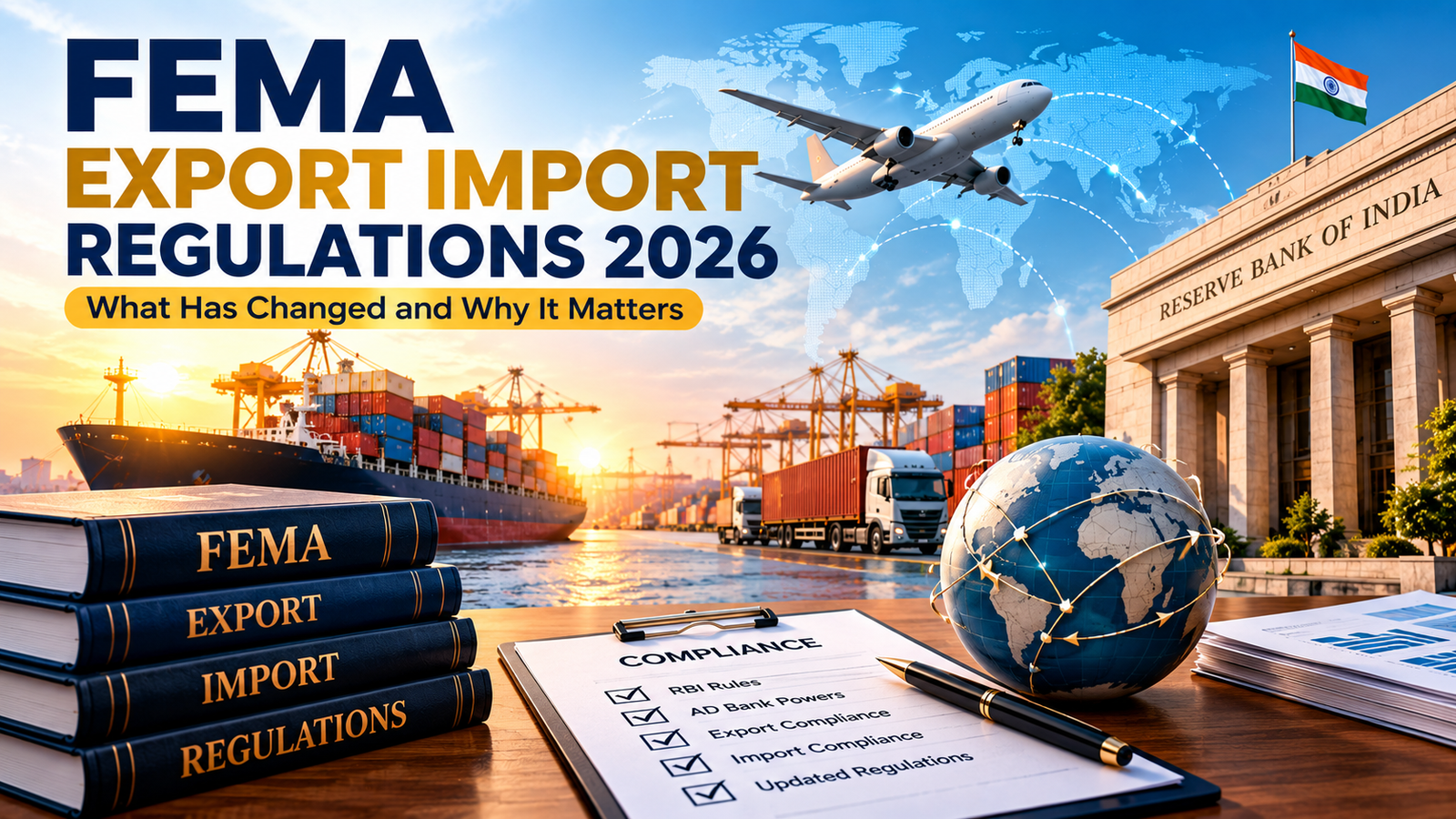
If your business exports goods or services, imports products from overseas suppliers, or regularly receives and makes international payments, understanding the latest FEMA export import regulations 2026 is essential.
The Reserve Bank of India (RBI) has introduced the Foreign Exchange Management (Export and Import of Goods and Services) Regulations, 2026, which, according to the announced framework, came into effect on 1 October 2026. These regulations affect how Indian businesses manage export proceeds, import payments, transaction documentation and foreign exchange compliance.
One of the most important developments is the increased operational responsibility placed on Authorised Dealer (AD) Banks. Businesses may need to pay closer attention to their bank’s documentation requirements, internal procedures and transaction reconciliation processes.
In this guide, Femabide Advisorz explains the key areas to review under the new FEMA regulations, how the changes may affect exporters and importers, and what businesses can do to strengthen their compliance processes.
What Are the FEMA Export Import Regulations 2026?
The Foreign Exchange Management Act, 1999 (FEMA) provides the legal framework for foreign exchange transactions in India. The RBI issues regulations and directions governing cross-border payments, export proceeds, import remittances and related banking procedures.
The FEMA export import regulations 2026 establish an updated framework for the export and import of goods and services. Businesses involved in international trade should understand the applicable requirements and confirm how their transactions must be documented and processed through their AD Bank.
The main areas businesses should review include:
- Export declarations and supporting documentation.
- Realisation and repatriation of export proceeds.
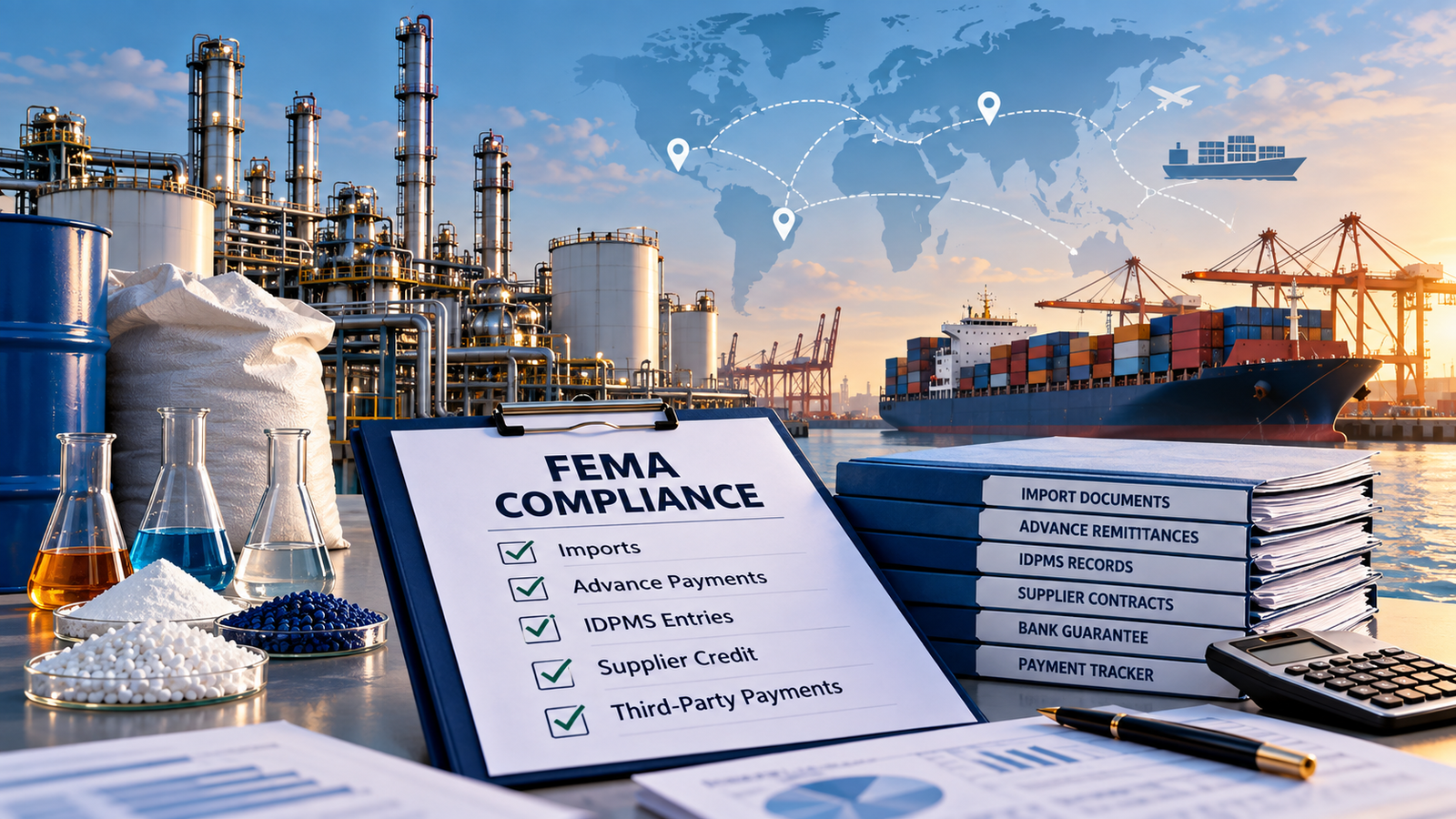
- Advance payments and remittances for imports.
- Documentation required for international transactions.
- Outstanding export receivables and import payment records.
- Bank-specific procedures for handling FEMA-related transactions.
The practical impact depends on the applicable RBI provisions, directions and the nature of each transaction. Businesses should therefore review the official regulations rather than assume that every existing procedure has changed in the same way.
Old vs New FEMA Framework: Key Areas to Review
The updated framework makes it important for businesses to understand which requirements apply to their transactions and how their AD Bank implements them.
| Compliance area | What businesses should review |
|---|---|
| Bank procedures | Current FEMA policies, SOPs and transaction checklists issued by the AD Bank |
| Documentation | Required declarations, invoices, shipping documents and payment evidence |
| Export proceeds | Applicable realisation, repatriation and follow-up requirements |
| Import payments | Advance remittance conditions and evidence required to support payments |
| Outstanding entries | Unresolved export and import transactions in relevant monitoring systems |
| Internal controls | Responsibility for tracking payments, deadlines and supporting records |
1. Bank-Specific Policies and Procedures
Businesses should obtain the latest written guidance from their AD Bank and establish an internal process for following its applicable requirements.
2. Documentation and Evidence
Accurate invoices, contracts, shipping records, service agreements and payment confirmations help demonstrate the commercial purpose of a transaction. Maintain documents in an organised, easily retrievable format.
3. Export and Import Transaction Tracking
Finance teams should monitor outstanding export proceeds, advance import payments and transactions that require additional documentation or bank follow-up.
4. Stronger Internal Compliance Processes
A central tracker, clear ownership of tasks and regular reconciliation can help businesses identify potential issues before they become prolonged exceptions.
Note: Do not assume that every requirement under the previous framework has been replaced or that every AD Bank has unrestricted discretion. Confirm the precise legal position under the relevant RBI notification and applicable directions.
Why AD Banks Matter for FEMA Compliance
Authorised Dealer Banks play a central role in processing and monitoring foreign exchange transactions. They help businesses complete cross-border payments, review supporting documents and meet applicable reporting requirements.
For businesses following the new FEMA regulations, maintaining clear communication with their AD Bank is an important part of day-to-day compliance.
Here are four practical steps to take.
Request the Latest FEMA Compliance Guidelines
Ask your bank for its current procedures for export receipts, import remittances, advance payments, outstanding transactions and supporting documentation.
Confirm Transaction-Specific Requirements
Documentation may differ depending on whether the transaction involves physical goods, software services, consulting, agency fees or other cross-border activities. Confirm what applies to your particular transaction.
Maintain Written Clarifications
Keep written records of material instructions, approvals, document requests and clarifications received from your bank. These records can help your team handle future queries consistently.
Escalate Unresolved Transactions
If an export receipt or import payment remains unresolved, identify the reason, assign responsibility and agree on the next steps with the bank.
How FEMA Export Import Rules Affect Exporters
Indian exporters need reliable processes for documenting overseas sales and tracking the receipt of export proceeds.
Whether you manufacture products, trade goods or provide services internationally, review the following areas.
Export Documentation
Maintain relevant invoices, contracts, shipping bills or other applicable export declarations, and supporting records. Service exporters should retain contracts, statements of work, invoices and evidence of service delivery where relevant.
Export Proceeds and Receivables
Track invoices that have not been paid, partially settled or received after the expected payment date. Record the reason for delays and follow up with customers and your AD Bank as appropriate.
Currency and Payment Terms
Review contract provisions covering payment currency, payment milestones, advance receipts, deductions and settlement arrangements.
Service Export Compliance
IT companies, SaaS providers, consultants, digital agencies and other service businesses should check how their specific services and payment structures are treated under applicable FEMA requirements.
Service exports should not be overlooked simply because they do not involve physical shipments.
How the New FEMA Regulations Affect Importers
Importers must ensure that overseas payments are supported by appropriate commercial documentation and comply with applicable foreign exchange requirements.
Advance Payments to Foreign Suppliers
Before making an advance remittance, confirm the documentation, conditions and follow-up evidence required by your AD Bank for that transaction.
Import Documents and Payment Reconciliation
Maintain supplier invoices, purchase orders, shipping or transport documents, customs records where applicable, and payment confirmations.
Outstanding Import Transactions
Review payments for which the corresponding import documentation or other required evidence remains outstanding. Resolve discrepancies with your supplier, customs or logistics team, and AD Bank as appropriate.
Contract Review
Check whether supplier agreements clearly specify payment milestones, delivery obligations, refunds, cancellation terms and responsibility for providing documents.
EDPMS and IDPMS: Why Reconciliation Matters
The Export Data Processing and Monitoring System (EDPMS) and Import Data Processing and Monitoring System (IDPMS) are important components of India’s export and import monitoring processes.
Businesses should regularly reconcile their internal transaction records with the information maintained through their AD Bank and relevant systems.
EDPMS for Export Transactions
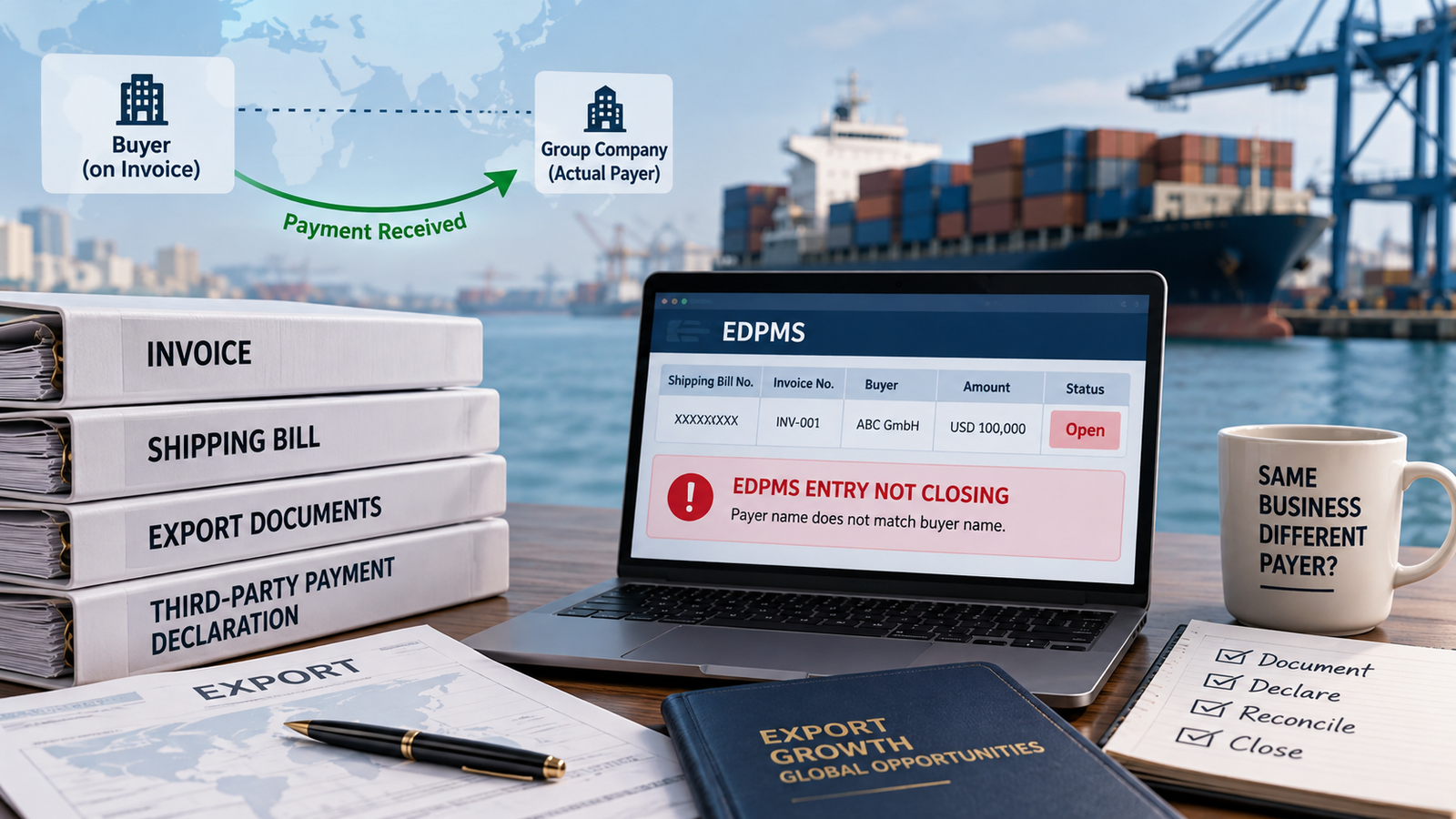
Exporters should monitor outstanding export transactions and investigate discrepancies involving invoices, declarations, receipts or other relevant records.
IDPMS for Import Transactions
Importers should review outstanding import-related entries and confirm whether the required supporting documentation and payment-related information have been submitted.
Practical Reconciliation Checklist
- Compare invoices against bank receipts and remittances.
- Identify outstanding or incorrectly recorded transactions.
- Check for differences in amounts, currencies or reference numbers.
- Follow up on missing documents and unresolved entries.
- Maintain a record of bank communications and corrective actions.
- Review open items periodically and assign an owner to each one.
Timely reconciliation improves visibility into outstanding transactions and helps businesses respond to bank queries more efficiently.
What Should Businesses Do Now?
Businesses should use the introduction of the 2026 framework as an opportunity to review their foreign exchange compliance procedures.
Step 1: Obtain the Applicable RBI Requirements
Identify the official regulations, directions and transitional provisions that apply to your business and transaction types.
Step 2: Speak to Your AD Bank
Request its current process for export receipts, import remittances, declarations, supporting documents and unresolved entries.
Step 3: Review Existing Contracts
Examine overseas customer and supplier agreements for payment terms, advance remittances, settlement arrangements and documentation obligations.
Step 4: Audit Outstanding Transactions
Prepare a consolidated list of unpaid export invoices, outstanding import documentation, unresolved bank queries and delayed settlements.
Step 5: Update Internal Trackers
Maintain a central register containing transaction references, invoice values, currencies, due dates, receipt or payment status, supporting documents and follow-up actions.
Step 6: Train Your Finance Team
Ensure that finance, accounts, logistics and sales teams understand their responsibilities for maintaining records and responding to bank requests.
Step 7: Seek Professional Guidance Where Necessary
If your business has complex transactions, overdue export proceeds, advance import payments or unresolved compliance questions, consider consulting a qualified FEMA professional.
Who Should Review FEMA Compliance First?
The following businesses should prioritise a review of their foreign exchange processes:
- Manufacturer and merchant exporters: Businesses with outstanding export receivables or multiple overseas customers.
- Service exporters: IT companies, SaaS providers, consultants and digital agencies receiving payments from foreign clients.
- Importers: Businesses making advance payments to overseas suppliers or managing multiple import shipments.
- Businesses with overdue transactions: Companies with unresolved export receipts, import documentation or bank queries.
- Growing international businesses: Organisations expanding into new markets or adding new payment methods and currencies.
The level of review required will depend on the business’s transaction history, applicable regulations and existing compliance controls.
Frequently Asked Questions About FEMA Export Import Regulations 2026
1. What are the FEMA export import regulations 2026?
The FEMA export and import regulations are RBI-issued rules governing foreign exchange compliance for cross-border transactions involving goods and services. Businesses should consult the official 2026 regulations and applicable RBI directions to determine the exact requirements.
2. When did the new FEMA export import regulations come into effect?
The framework discussed in this article is stated to have taken effect on 1 October 2026. Businesses should verify the effective date and any transitional provisions against the official RBI notification before relying on it for compliance decisions.
3. Do the new FEMA regulations apply to service exporters?
Service exporters are subject to applicable FEMA requirements for their cross-border transactions. IT companies, SaaS businesses, consultants and agencies should review the provisions relevant to their services, payment arrangements and documentation.
4. What is the role of an Authorised Dealer Bank under FEMA?
An AD Bank facilitates permitted foreign exchange transactions and performs relevant checks, documentation and reporting functions under applicable regulations and directions. Businesses should obtain the bank’s current procedures for their specific transaction types.
5. Have the export realisation timelines changed under the 2026 regulations?
Businesses should verify the applicable realisation and repatriation timelines directly from the official regulations and relevant RBI directions. Do not rely on an assumed deadline without confirming whether it applies to the transaction, any permitted extension and the relevant effective-date provisions.
6. What documents should exporters maintain for FEMA compliance?
Depending on the transaction, exporters may need invoices, contracts, shipping bills or other declarations, service delivery evidence, bank statements, payment confirmations and correspondence relating to outstanding receivables. The precise requirements depend on the transaction and applicable rules.
7. What is the difference between EDPMS and IDPMS?
EDPMS supports monitoring of export transactions, while IDPMS supports monitoring of import transactions. Businesses should reconcile relevant records with their AD Bank and resolve outstanding discrepancies.
8. What should importers do before making advance payments to foreign suppliers?
Importers should confirm the permitted payment conditions, supporting documents, bank procedures and any required evidence or follow-up obligations before remitting funds. Requirements should be checked for the specific transaction.
9. Can AD Bank procedures differ between banks?
Banks may have different operational procedures and documentation checklists within the scope of applicable law and RBI directions. Businesses should confirm the requirements of their own bank rather than assume that another bank’s checklist will apply.
10. Do businesses need a FEMA consultant?
Not every business requires external assistance. However, a FEMA consultant may be useful for reviewing transaction records, identifying unresolved entries, understanding applicable requirements and preparing for discussions with an AD Bank.
11. What happens if a business has outstanding export proceeds or import entries?
The appropriate response depends on the transaction, the reason for the outstanding item and the applicable regulatory requirements. Businesses should investigate the cause, gather supporting evidence and contact their AD Bank or a qualified professional to determine the appropriate corrective action.
12. How can a business prepare for FEMA compliance in 2026?
Start by reviewing the official regulations, obtaining your AD Bank’s current guidance, checking contracts and documentation, reconciling outstanding transactions and assigning responsibility for compliance follow-ups.
Need Help With FEMA Compliance?
Understanding the FEMA export import regulations 2026 is an important step for any Indian business involved in international trade. Clear documentation, accurate transaction tracking and timely communication with your AD Bank can help your team manage compliance more effectively.
Femabide Advisorz helps exporters, importers and service businesses understand FEMA-related compliance requirements and identify areas that need professional review.
Need guidance on export proceeds, import remittances, outstanding transactions or FEMA documentation?
- Website: https://femabide.com/
- Call: 99333 85556
- Next step: Book a consultation to discuss your business’s requirements.
Get professional guidance to understand the rules applicable to your transactions and establish a more organised compliance process.
Disclaimer: This article is for general informational purposes only and does not constitute legal, tax or financial advice. Regulatory requirements, deadlines and bank procedures may vary depending on the transaction and applicable directions. Verify all requirements against official RBI notifications and seek qualified professional advice before taking action.