For many businesses, RBI FEMA regulations feel distant and technical something handled occasionally during audits or filings. But in recent times, especially leading into 2026, these regulations have become far more visible in day-to-day business operations.
This blog explains what has changed under RBI FEMA regulations, why businesses are paying more attention now, and how a practical, story-led understanding can help avoid costly mistakes.
A Story Many Businesses Relate To
A growing Indian company received foreign investment to expand operations. The funds arrived smoothly, the business scaled quickly, and new opportunities opened up. Everything seemed on track.
Months later, during a routine banking review, the company was asked about a delayed FEMA-related filing. The transaction itself was genuine, but the reporting timeline had been missed. What started as a simple clarification turned into multiple follow-ups, document requests, and compliance stress.
This situation is becoming increasingly common not because businesses are doing something wrong, but because RBI FEMA regulations are now being enforced more closely.
Understanding RBI FEMA Regulations in Simple Terms
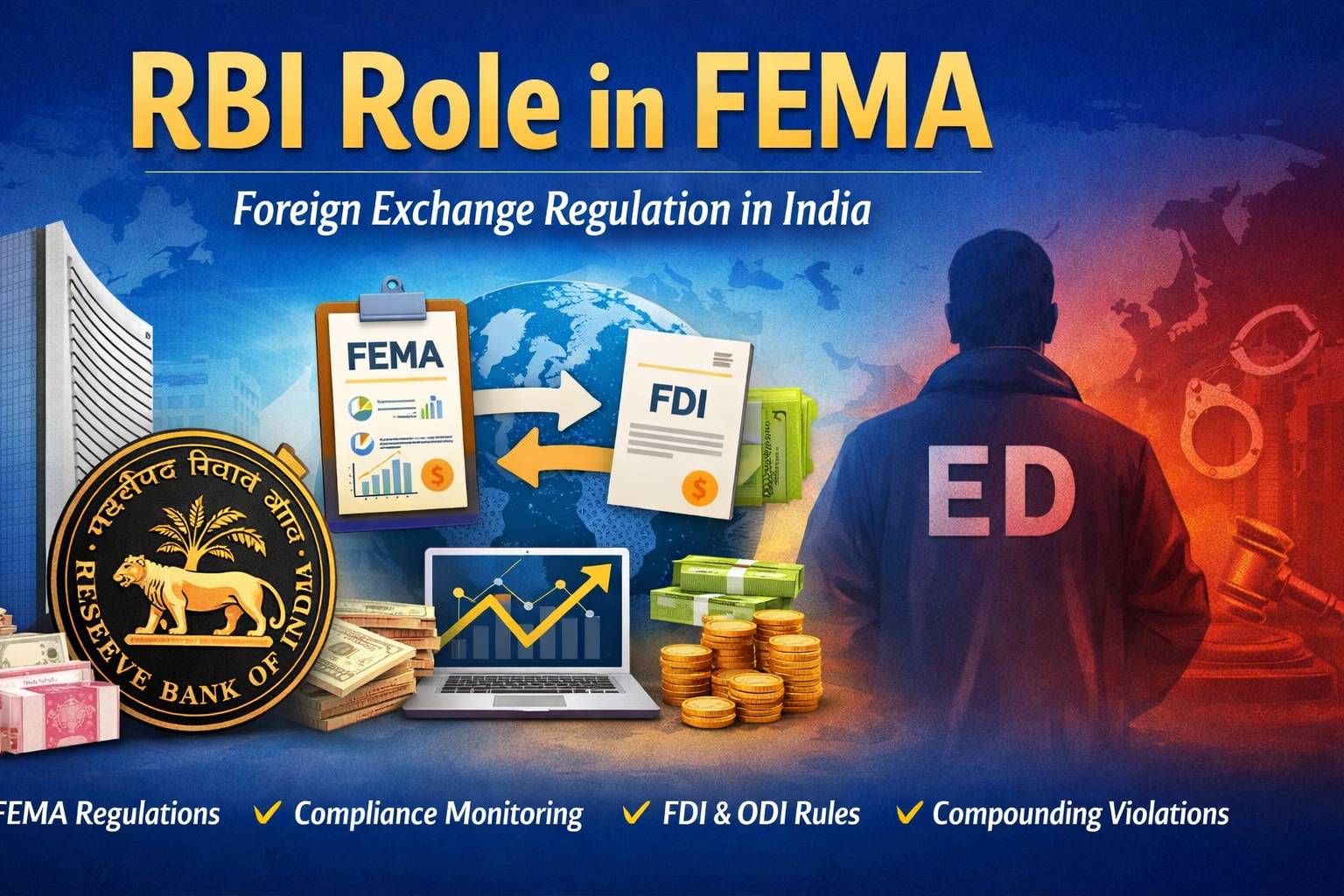
RBI FEMA regulations govern how businesses in India deal with foreign exchange. These rules apply to:
Foreign investments into India
Overseas investments by Indian companies
Cross-border payments and remittances
Import and export transactions
Loans, guarantees, and financial arrangements involving foreign entities
If money crosses India’s borders, RBI FEMA regulations apply.
What Has Changed Under RBI FEMA Regulations
Stricter Reporting Expectations
Businesses are now expected to meet exact reporting timelines. Delays that were earlier corrected later can now trigger scrutiny or notices.
Improved Digital Tracking
Banks and regulators use advanced systems to monitor transactions. Missing or incorrect information is flagged faster than before.
Greater Focus on Transaction Purpose
Authorities now look closely at why funds are received or sent, how they are used, and whether documentation supports the transaction clearly.
Higher Accountability for Businesses
Responsibility no longer rests only with consultants or banks. Businesses themselves are expected to understand and comply with applicable regulations.
Why RBI FEMA Regulations Matter More Today
Avoiding Financial and Legal Risk
Non-compliance can lead to penalties, delays in future transactions, and reputational damage.
Building Investor and Banking Confidence
Businesses that follow RBI FEMA regulations correctly are seen as reliable and transparent by investors and financial institutions.
Supporting Smooth Business Growth
Whether expanding overseas or attracting foreign investment, clear compliance removes unnecessary roadblocks.
Reducing Operational Stress
When compliance is structured and proactive, management teams spend less time reacting to issues and more time focusing on growth.
Common Compliance Gaps Businesses Face
Many FEMA-related issues arise because of:
Missed reporting deadlines
Incomplete documentation
Outdated understanding of regulations
Assuming banks handle all compliance aspects
These gaps are rarely intentional but can still create serious challenges.
How FEMABIDE Advisorz Helps Businesses Navigate RBI FEMA Regulations
FEMABIDE Advisorz supports businesses by simplifying complex RBI FEMA regulations into clear, actionable steps.
Their approach includes:
Evaluating transactions from a regulatory perspective
Ensuring accurate and timely filings
Monitoring ongoing compliance obligations
Providing clear guidance without unnecessary complexity
Supporting businesses during regulatory queries and notices
The focus is on prevention, clarity, and confidence.
A Practical Takeaway for Businesses
RBI FEMA regulations are no longer something to think about only when a notice arrives. In today’s regulatory environment, compliance must be part of everyday business planning.
Businesses that understand this shift are better prepared, more confident, and less exposed to unexpected risks.
Frequently Asked Questions
Are RBI FEMA regulations applicable to all businesses?
They apply to any business involved in foreign exchange transactions, including foreign investments, overseas payments, or cross-border financial arrangements.
What happens if a business misses a FEMA filing deadline?
Delayed filings may attract penalties, regulatory scrutiny, or requests for clarification, depending on the nature of the transaction.
Have RBI FEMA regulations become stricter recently?
Yes. Monitoring, reporting expectations, and enforcement have all become more structured and technology-driven.
Can FEMA non-compliance be corrected later?
Some issues can be regularized, but corrective action often involves additional cost, time, and regulatory engagement.
Why should businesses seek professional FEMA advisory support?
Professional advisory helps businesses stay updated, avoid errors, manage timelines, and respond effectively to regulatory requirements.
Conclusion
RBI FEMA regulations for businesses are not meant to restrict growth they are designed to ensure transparency and stability in cross-border transactions. As enforcement becomes tighter, businesses must move from reactive compliance to informed, proactive management.
With the right understanding and expert guidance, RBI FEMA regulations become manageable, predictable, and supportive of long-term business success.