In today’s evolving global business environment, FEMA compliance has become more than a legal requirement. In 2026, regulatory monitoring has become stricter, reporting systems are more advanced, and cross-border transactions are under closer observation. Businesses and individuals dealing with foreign exchange must clearly understand these changes to avoid penalties and operational disruptions.
This blog explains what has changed in FEMA compliance in 2026, why it matters, and how FEMABIDE Advisorz helps ensure smooth and compliant operations.
What Is FEMA Compliance?
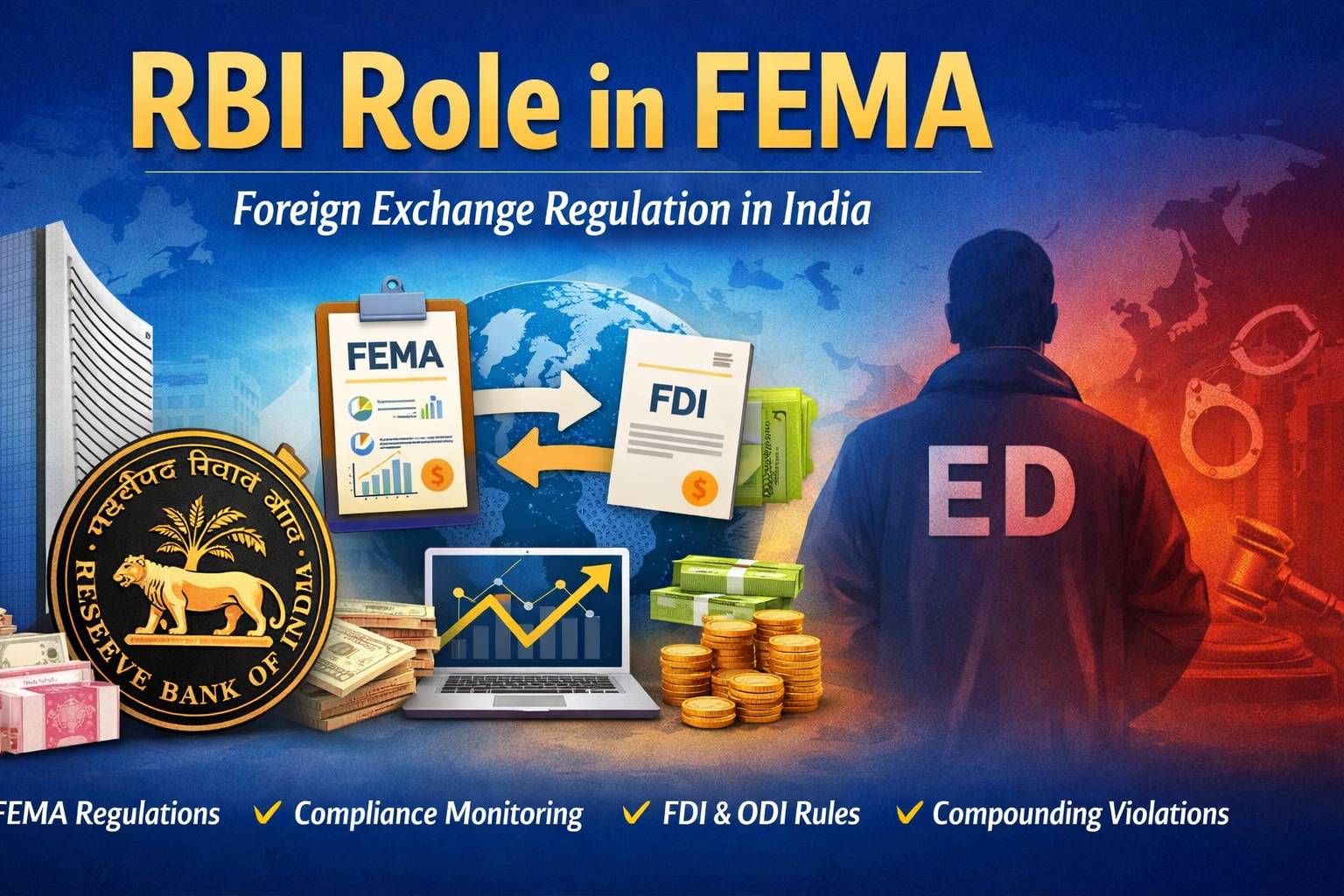
FEMA, or the Foreign Exchange Management Act, regulates all foreign exchange transactions in India. It applies to activities such as foreign direct investment, overseas investments, import and export payments, foreign remittances, and NRI transactions.
Any individual or business involved in money movement across borders must comply with FEMA regulations.
What Changed in FEMA Compliance in 2026?
Stricter Reporting and Filing Timelines
Authorities now enforce tighter timelines for reporting and disclosures. Late or incorrect filings that were previously overlooked may now result in notices or penalties.
Increased Use of Digital Monitoring
Regulatory bodies have adopted automated and technology-driven systems to track foreign exchange transactions. This makes error detection faster and compliance gaps more visible.
Greater Scrutiny of Cross-Border Transactions
Inbound investments, outbound investments, foreign loans, and inter-company transactions are examined more closely for source of funds, end use, and proper approvals.
Stronger Enforcement and Penalties
Even unintentional non-compliance can lead to financial penalties if corrective action is not taken promptly. Preventive compliance has become essential.
Why FEMA Compliance Matters in 2026
Protection From Legal and Financial Risk
Non-compliance can lead to penalties, legal proceedings, and disruption of business operations.
Improved Credibility With Investors and Banks
A compliant business builds trust with investors, lenders, and financial institutions.
Support for Global Business Expansion
Clear FEMA compliance helps businesses expand internationally without regulatory hurdles.
Cost and Time Efficiency
Resolving FEMA issues later can be expensive and time-consuming. Proper compliance from the start reduces risk and stress.
Common FEMA Compliance Mistakes
Many businesses still face issues due to missed deadlines, incorrect filings, incomplete documentation, and reliance on outdated regulations. Assuming small transactions do not require compliance is another frequent mistake.
How FEMABIDE Advisorz Helps With FEMA Compliance
FEMABIDE Advisorz provides structured and practical FEMA advisory services to help businesses and individuals remain fully compliant.
End-to-End FEMA Advisory
Complete support from understanding applicable regulations to final execution and reporting.
Accurate Documentation and Filings
Ensuring all filings are correct, timely, and aligned with current FEMA and RBI guidelines.
Proactive Compliance Monitoring
Identifying potential risks early and addressing them before regulatory issues arise.
Customized Compliance Solutions
Advisory services tailored to startups, SMEs, large enterprises, and individual clients.
Support During Notices and Audits
Professional assistance in responding to FEMA notices and handling regulatory reviews.
Who Needs FEMA Advisory Services?
Businesses receiving foreign investments, companies investing overseas, importers, exporters, startups with international funding, NRIs, and individuals involved in foreign exchange transactions all require FEMA compliance support.
Frequently Asked Questions
Is FEMA compliance mandatory in 2026?
Yes, FEMA compliance is mandatory for anyone involved in foreign exchange transactions in India.
What are the consequences of FEMA non-compliance?
Non-compliance can lead to penalties, legal action, regulatory notices, and delays in future transactions.
Are FEMA rules stricter in 2026?
Yes, enforcement and monitoring have become more stringent with greater focus on accuracy and timelines.
Can FEMA non-compliance be corrected later?
Some issues may be compounded, but timely compliance is always more cost-effective than corrective action.
How does FEMABIDE Advisorz simplify FEMA compliance?
They manage compliance assessment, documentation, filings, monitoring, and regulatory communication, allowing clients to focus on their core business.
Conclusion
In 2026, FEMA compliance is a foundation for sustainable and secure business growth. With increased regulatory scrutiny, businesses must adopt a proactive compliance approach. Partnering with FEMABIDE Advisorz ensures clarity, accuracy, and confidence in managing all FEMA-related requirements.