With globalization reshaping business and individual investments, cross-border transactions have become increasingly common. The Foreign Exchange Management Act, 1999 (FEMA) was introduced to regulate foreign exchange dealings and maintain the stability of India’s external sector. Whether you’re a startup raising funds internationally or an NRI investing in property, FEMA plays a crucial role in ensuring legal compliance.
What is FEMA?
The Foreign Exchange Management Act (FEMA) governs:
- Foreign exchange transactions, and
- Changes in assets and liabilities (including contingent liabilities):
a) In India, for a person resident outside India, and
b) Outside India, for a person resident in India.
It applies to individuals and businesses alike and oversees both personal and commercial international transactions.
Examples of Transactions Regulated by FEMA
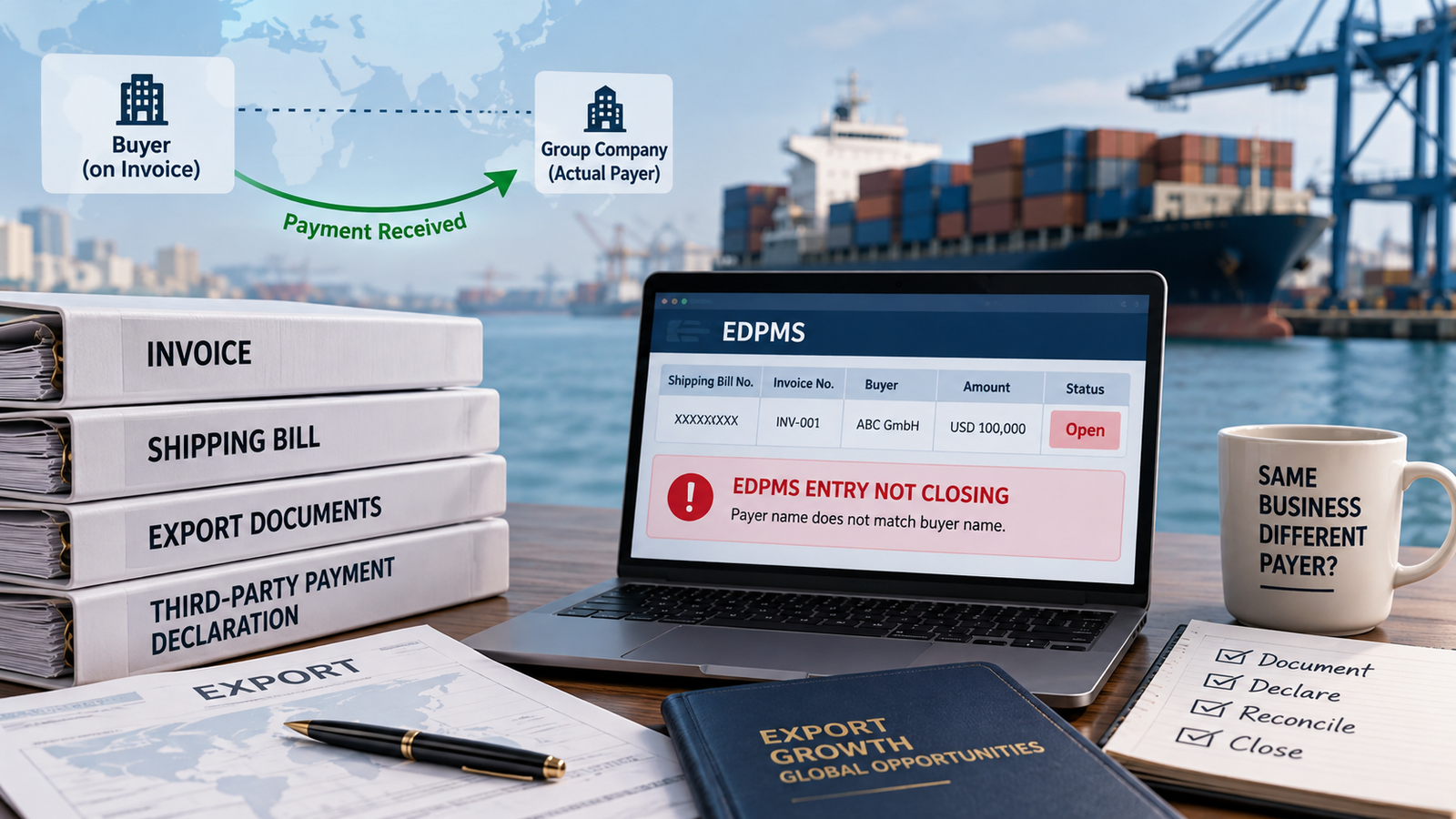
- Import/export of goods and services
- Foreign travel
- Studying abroad
- Medical treatment abroad
- Foreign investment in India
- Overseas investment from India
- External Commercial Borrowings (ECBs)
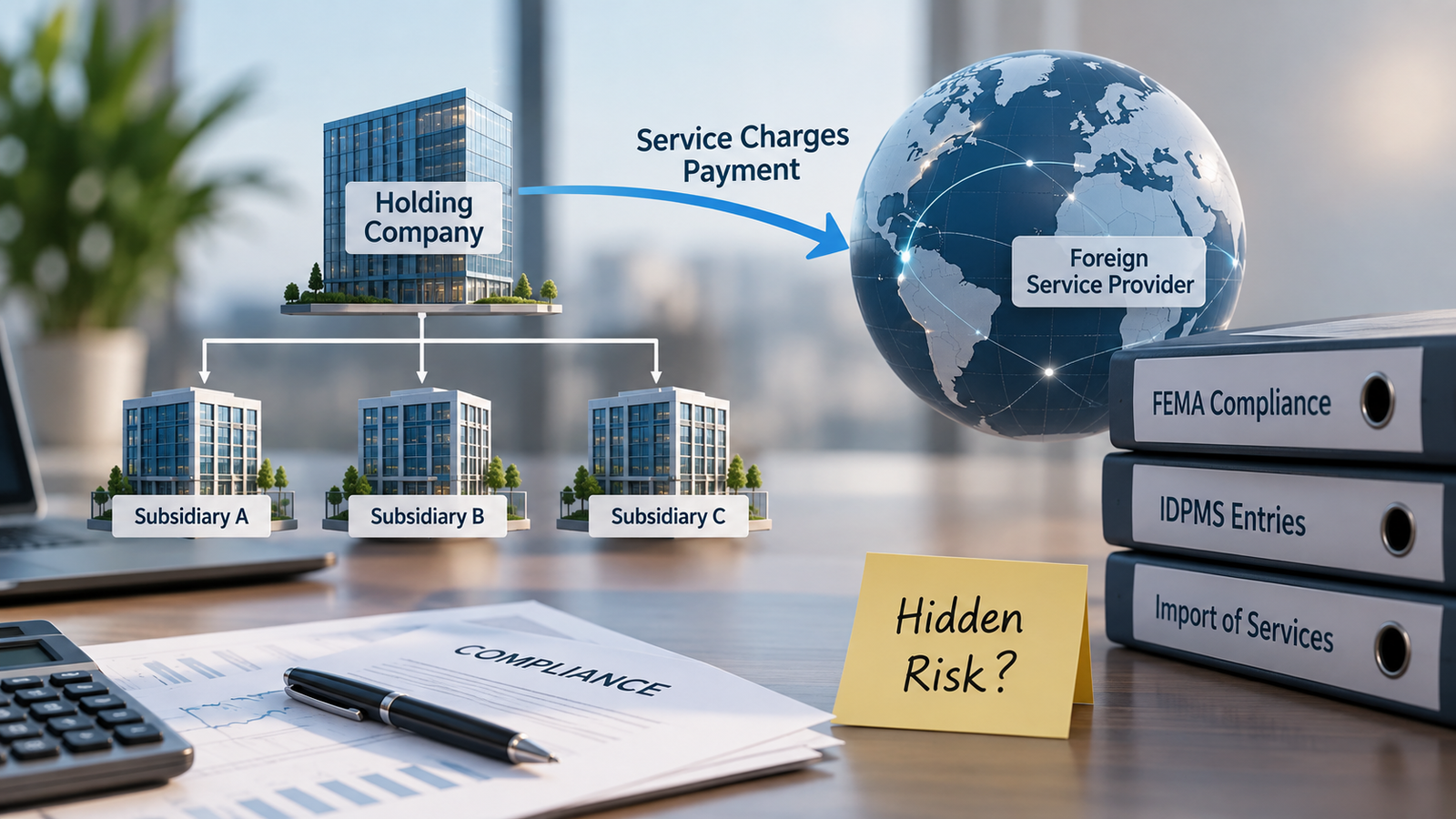
- Indian companies issuing Employee Stock Option Plans (ESOPs) to employees of foreign subsidiaries
- NRIs/OCIs acquiring or selling immovable property in India
Types of Transactions under FEMA
FEMA classifies transactions into Current Account and Capital Account categories:
1. Current Account Transactions
These are routine transactions that include:
- Trade payments
- Personal remittances
- Travel, education, or medical expenses abroad
- Family maintenance expenses
Current Account transactions are generally permitted unless specifically restricted or prohibited.
2. Capital Account Transactions
These are transactions that alter assets or liabilities, such as:
- Investing in foreign entities
- Raising capital from foreign investors
- Acquisition/sale of overseas property
- Loans and equity investments
Capital Account Transactions are prohibited unless specifically permitted under FEMA rules.
Compliance Requirements under FEMA
Compliance under FEMA is transaction-specific. Depending on the nature and value of the transaction, it may involve:
- Reporting to the RBI
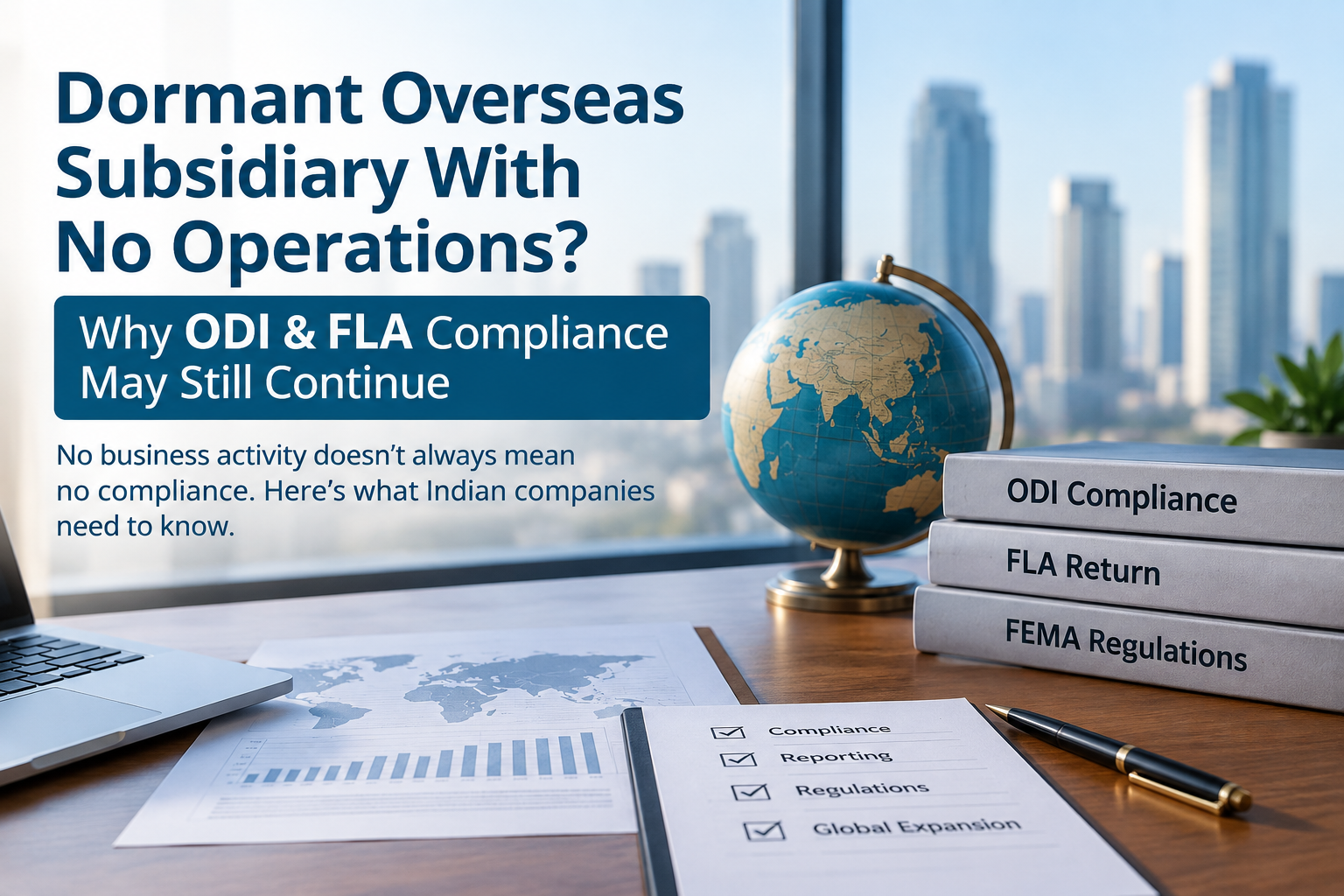
- Filing forms like FC-GPR, FLA, ODI, etc.
- Seeking prior approval before remittance or receipt
- Ensuring adherence through Authorised Dealer (AD) Banks
For expert handling of such compliance, working with the best FEMA advisor for NRIs or a FEMA consultant for startups ensures proper structuring and timely reporting, reducing risk of penalties.
Who Can Carry Out Transactions Under FEMA?
Any person can transact under FEMA, including:
- Individuals
- Hindu Undivided Families (HUFs)
- Companies
- Firms and LLPs
- Associations of persons or bodies of individuals
- Trusts and artificial juridical persons
- Agencies, offices, or branches of such persons
Liberalised Remittance Scheme (LRS) for Individuals
Under LRS, resident individuals can remit up to USD 250,000 per financial year for:
- Overseas education
- Medical treatment abroad
- Overseas direct investments
- Gifting or donation
- Travel and personal expenses
This opens global investment opportunities to individuals, including the ability to invest in foreign entities legally and efficiently.
Regulatory Authority
The Reserve Bank of India (RBI), through Authorised Dealer (AD) Banks, oversees the implementation of FEMA. These banks act as intermediaries for monitoring compliance on behalf of RBI.
Penalties for Non-Compliance
Any contravention of FEMA provisions, rules, or RBI directions can attract penalties up to three times the sum involved in the violation. In addition, individuals and entities may face legal proceedings, and the involved amounts may be confiscated.
Why FEMA Matters for Startups and NRIs
- Startups raising foreign capital need expert guidance from a FEMA consultant for startups to structure funding rounds compliantly.
- NRIs investing in India require the best FEMA advisor for NRIs to handle compliance and remittance planning.
The Foreign Exchange Management Act, 1999 is critical in enabling smooth and lawful cross-border economic activity. Whether you’re looking to invest in India, attract FDI investment, or structure offshore transactions, understanding FEMA and ensuring proper compliance is vital. Consult a qualified FEMA advisor to navigate this complex yet essential regulatory landscape.